
Achievements
Elimination of Viral Hepatitis B and C - Global Initiatives, National Programs, and Scientific Advances https://www.intechopen.com/books/elimination-of-viral-hepatitis-b-and-c-global-initiatives-national-programs-and-scientific-advances
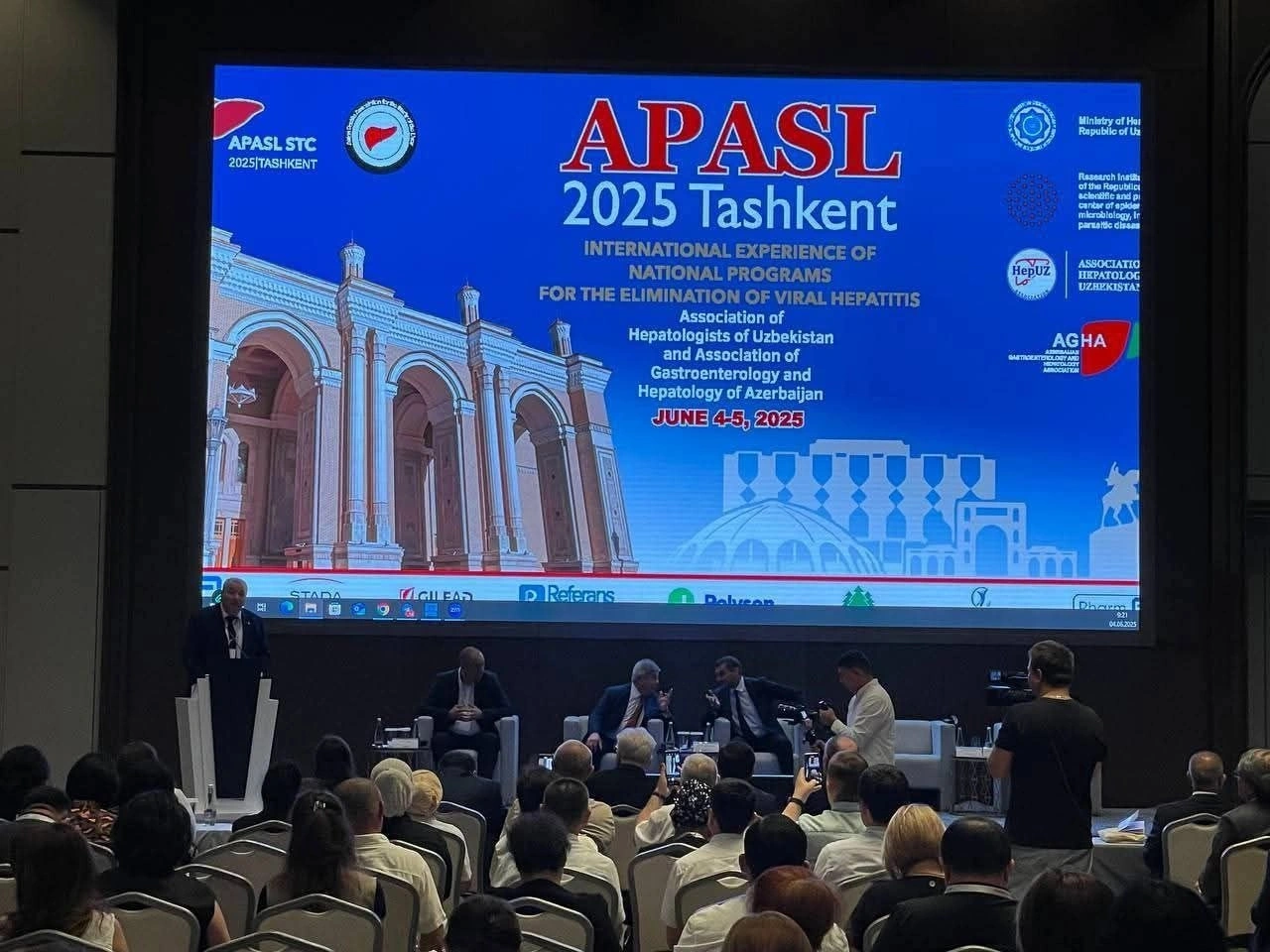
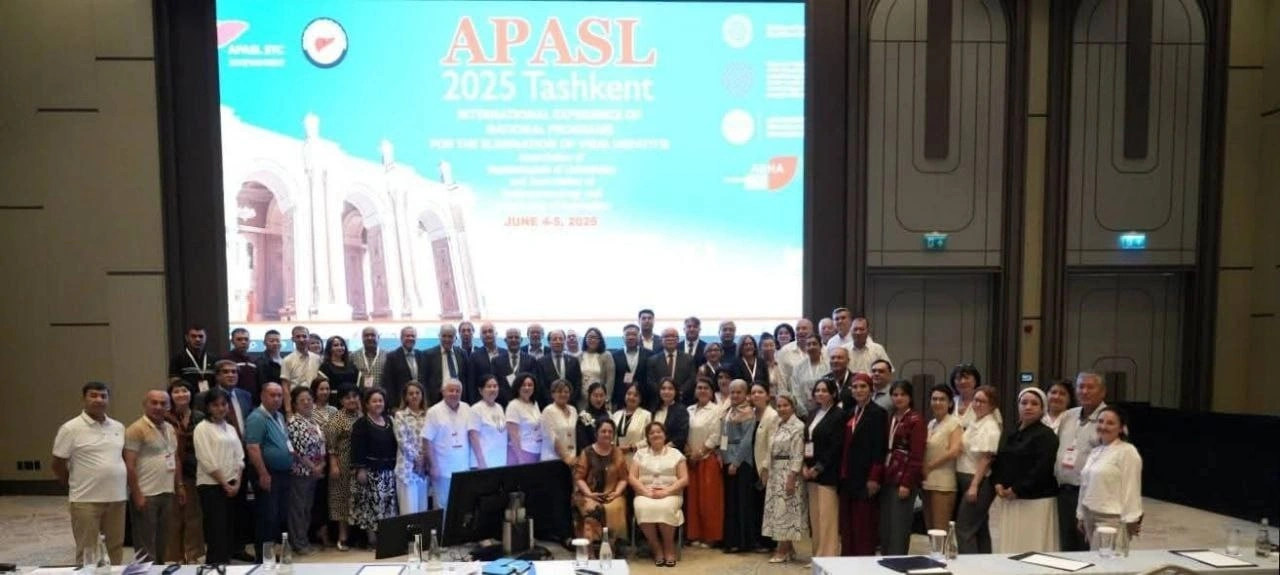
International scientific and practical conference "APASL-2025" "International experience of national programs for the elimination of viral hepatitis" June 4-5, 2025, Tashkent.

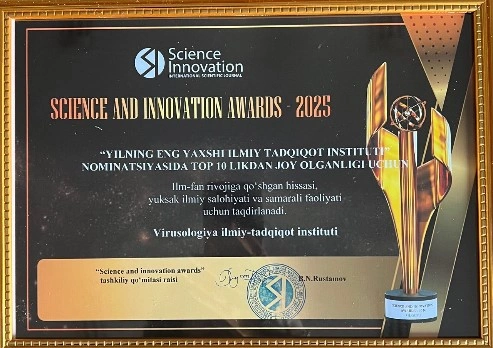
For its contribution to the development of science, high scientific potential, and effective performance, the Institute was ranked among the Top 10 and awarded the nomination “Best Research Institute” within the framework of the “SCIENCE AND INNOVATION AWARDS 2025”.
With the help of a complex of modern morphological, electron microscopic, immunohistochemical studies, comparative structural and virological features of liver damage in chronic viral hepatitis have been established.
For the first time in Uzbekistan, the phenomenon of Shedding of the cytoplasmic membrane of lymphocytes in the liver of patients with hepatitis D was described using an electron microscope and reported at international conferences (Germany 2009, European Conference on Delta Hepatitis - Turkey, 2010).
The institute's staff has developed a modified method for detecting HBsAg in liver biopsies of patients with hepatitis B.
For the first time in Uzbekistan, the nucleotide sequence of the virus genome is decoded, with the help of which gene mutations and virus resistance to antiviral therapy are determined.
Mutations of specific genes that affect the course of chronic hepatitis C and the effectiveness of antiviral treatment have been identified, in this case pathology, which allows developing methods for predicting the results of treatment and outcomes of chronic viral hepatitis C, taking into account the polymorphism of some genetic factors.
For the first time, mathematical models of viral hepatitis were developed and reported at international conferences (Japan, Germany, China).
An additional method for treating Crimean Congo hemorrhagic fever using the drug Ribavirin was developed and implemented.
The etiological structure of viral diarrhea was studied, including the epidemiology of rotavirus infection and the burden of the disease.
A cost-effective model for the prevention of liver cirrhosis of viral etiology in Uzbekistan was developed using prognostic and mathematical modeling.
The effectiveness of the non-invasive marker of liver fibrosis M2BP as a prognostic marker of liver fibrosis in chronic viral hepatitis of various etiologies was shown.
Scientifically – Research Institute of Virology elected as a branch of The Global Virus Network(GVN)
The Global Virology Network (GVN) is a unique, independent, global organization that brings deep and comprehensive expertise in human virology to the international community by bringing together the best practices of institutions studying viral threats to human health, and has the ability to address current virology challenges and prepare for existing and potential pandemics.
The Global Virology Network (GVN) is a professional community of virology scientists with a global calling. The GVN currently comprises 68 Centers and 11 affiliates in 39 countries, including USA, China, Japan, Australia, Germany, France, Spain, India and others.
The main goal of the GVN is to support the development and deepening of vital links between the global public health community and the scientific community of virology experts.
The GVN's activities are aimed at bridging the gap between government public health surveillance and the scientific community of virology experts, ensuring that public health officials have the information they need, when they need it. Working in different countries and institutions, many researchers are limited by a lack of experience and knowledge, funds and resources, objective political and economic barriers.
Since 2020, the Research Institute of Virology has been selected as a branch of The Global Virus Network. The Institute is affiliated through the Fondazione Pascale, the National Cancer Institute, Neopal, the Smorodintsev Russian Research Institute of Influenza (SRII) and the Institute of Human Virology at the University of Maryland School of Medicine, USA.
Source: https://gvn.org/gvn-centers-of-excellence/affiliates/
«Scopus Awards 2023»
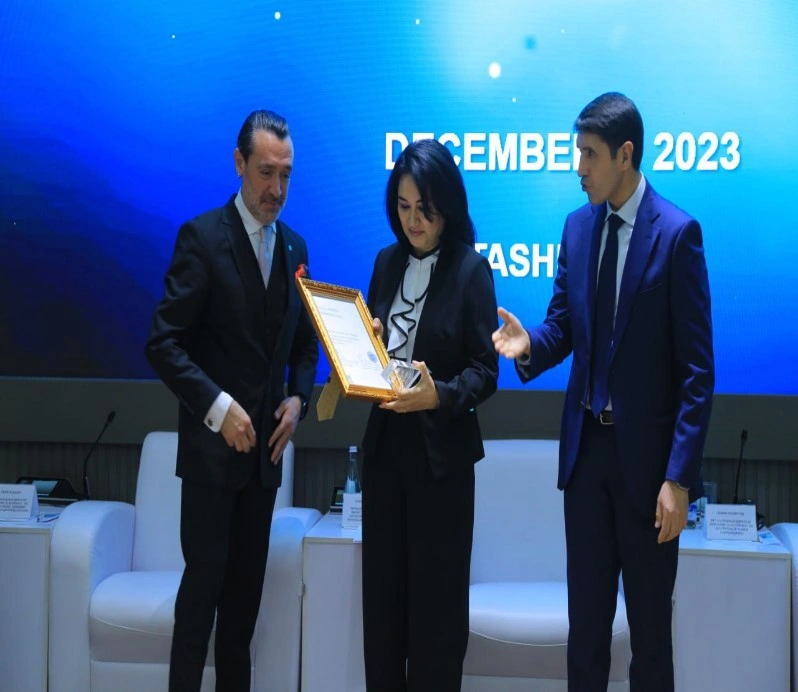
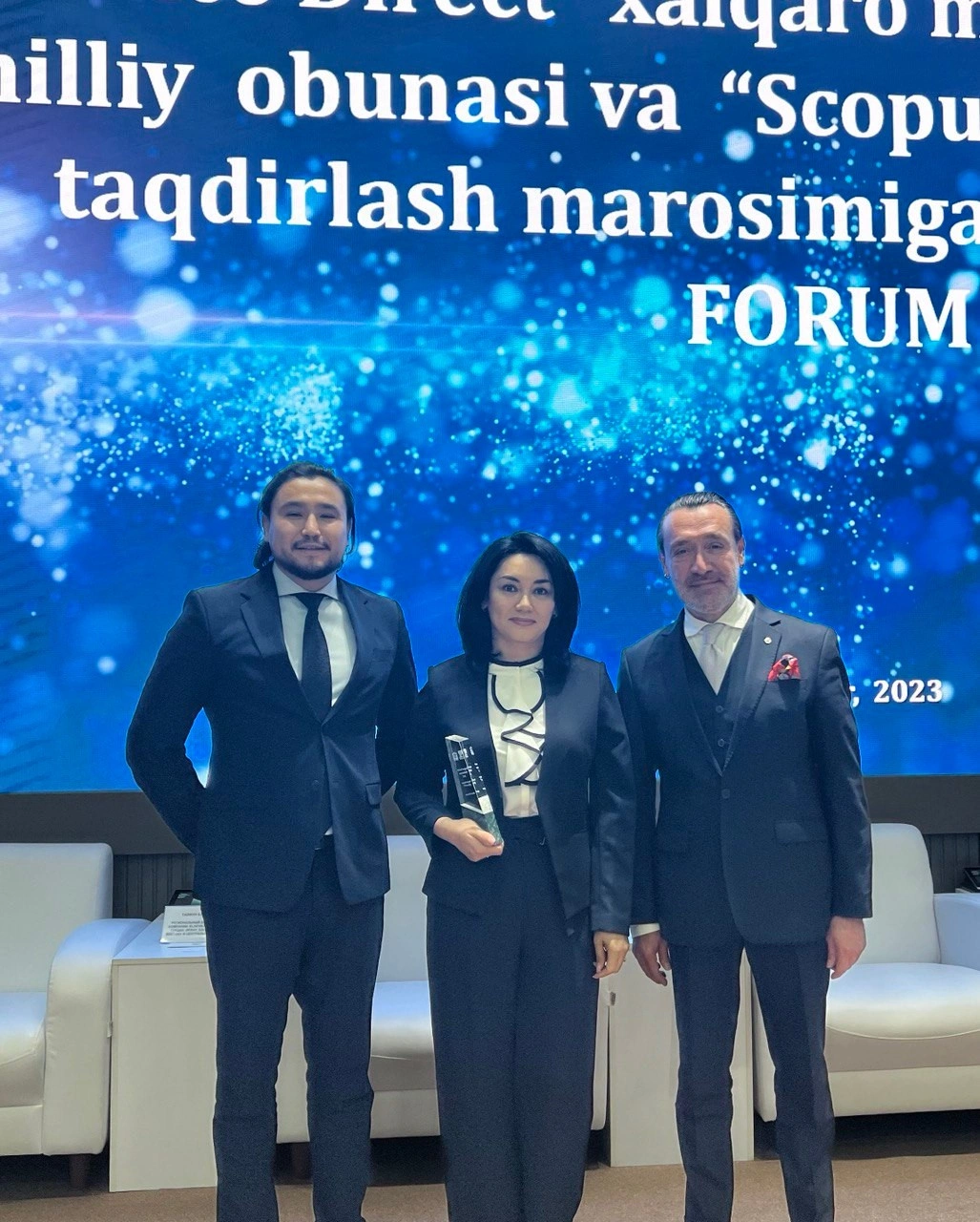
On December 6, 2023, the Ministry of Higher Education, Science and Innovation of the Republic of Uzbekistan, in cooperation with the company "ELSEVIER", organized a Forum dedicated to the national subscription to the international scientific database "Science Direct" and the award ceremony "Scopus Awards 2023" was held for higher education and scientific organizations that have achieved results in publishing scientific articles in prestigious scientific journals indexed in the international scientific and technical database "Scopus" in the direction of “Social Impact of Scientific Research”.
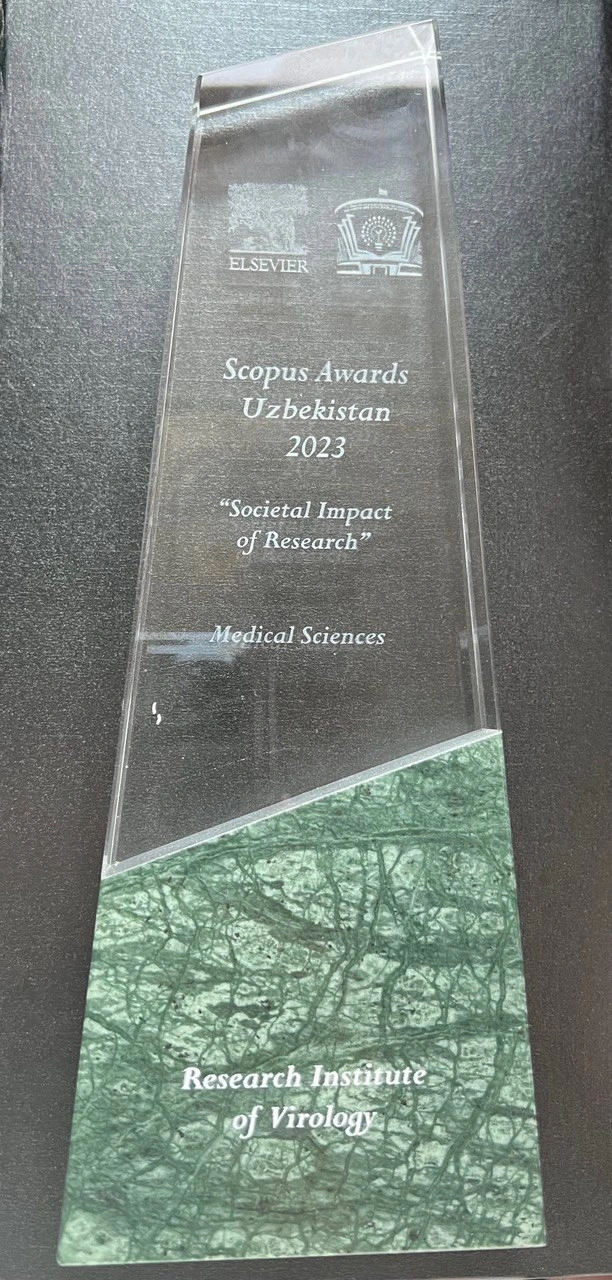
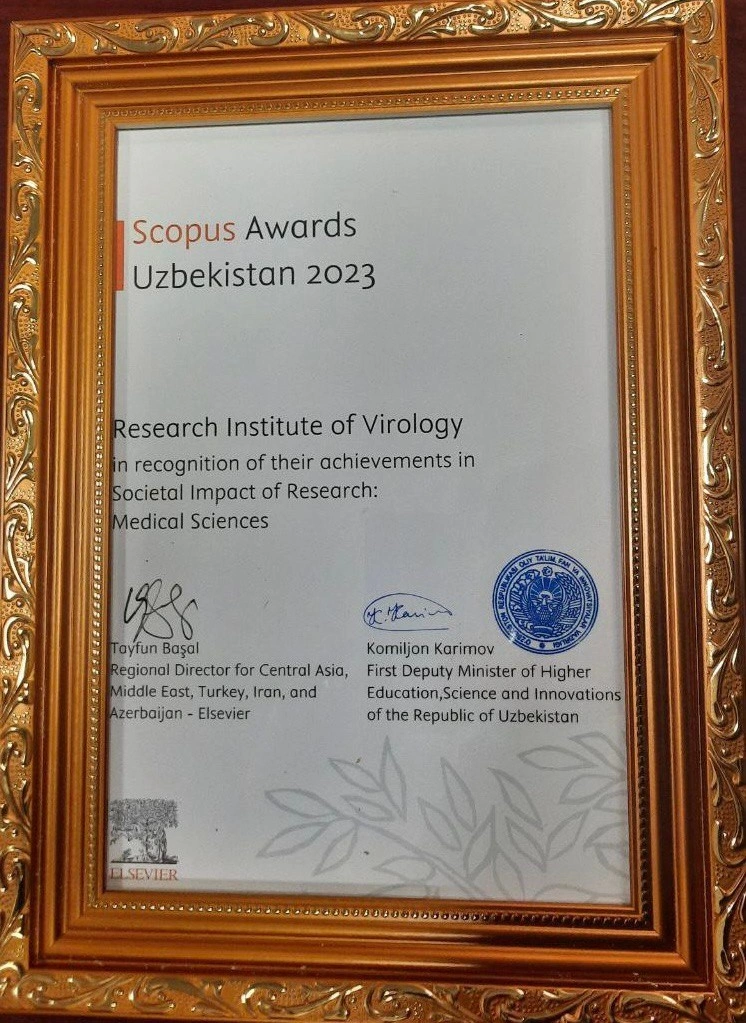
The Institute of Virology entered the TOP - 10 organizations for publication activity in the international scientific and technical database Scopus and was awarded in the direction of medical sciences.
The Director of the Research Institute of Virology of the Republican Specialized Scientific and Practical Medical Center for Epidemiology, Microbiology, Infectious and Parasitic Diseases was awarded the title of academician
In accordance with paragraph 173 of the State Program for the Implementation of the Development Strategy of the New Uzbekistan in 2022 – 2026 in the "Year of Caring for People and Quality Education", approved by the Decree of the President of the Republic of Uzbekistan dated February 28, 2023 No. UP-27, in order to widely celebrate the 80th anniversary of the formation of the Academy of Sciences of the Republic of Uzbekistan, further enhance the prestige of domestic science, strengthen the role of academic science in increasing the scientific and technological potential of the country, on the recommendation of the Presidium and current full members of the Academy of Sciences of the Republic of Uzbekistan in the field of medical sciences, the Director of the Research Institute of Virology of the Scientific and Practical Center of the Republic of Specialized Epidemiology, Microbiology, Infectious and Parasitic Diseases - Musabaev Erkin Isakovich was awarded the title of Academician.

FORGE OF STAFF FOR INTERNATIONAL ORGANIZATIONS (STAFF WHO WORKED AT THE INSTITUTE OF VIROLOGY)
1. Pereyaslov Dmitry Igorevich, program specialist WHO headquarters (Geneva).
2. Albetkova Adelya, CDC in Georgia (Georgia).
3. Mamatkulov Adham Rustamovich, KOICA, public health specialist.
4. Sekler Dildora Erkinovna, WHO Country Office in Uzbekistan, National Program Specialist.
5. Latypov Renat Rafaelovich, WHO Country Office in Uzbekistan, National Program Specialist.