- Home
- Institute
- Divisions
- Laboratories
- Laboratory of natural focal especially dangerous viral infections
Laboratory of natural focal especially dangerous viral infections
Laboratory of natural focal especially dangerous viral infections. Conducts studies of the mechanism of natural focality, features of epidemiology, epizootology of especially dangerous arbovirus infections, ecology of their pathogens, improvement of early diagnostic methods, as well as preventive and anti-epidemic measures.
In 1989, by order of the Ministry of Health of the Republic of Uzbekistan, the laboratory of arboviruses was transferred to the Research Institute of Virology and became known as the laboratory of transmissible viral infections (TVI). From that moment on, the main attention was paid to the problems of the ecology of pathogens of arbovirus infections.
Particular attention was paid to specific laboratory diagnostics of arbovirus infections. The laboratory staff mastered and began to use the molecular genetic method and ELISA in their research. Research on the isolation and identification of arboviruses, detection of natural foci of arboviruses and determination of their biostructure, landscape confinement of foci was continued.
Since 2007, the laboratory of transmissible viral infections was renamed the laboratory of natural focal especially dangerous viral infections (POOOVI). The conducted studies made it possible to classify natural foci identified in various landscape zones using CCHF as an example.
Since 2012, the laboratory began to conduct research on new and re-emerging viral infections that have the possibility of “focality” in the territory of the Republic of Uzbekistan. Positive results were obtained for such viral infections as WNV, Hantavirus infections, Karshi virus, Syr Darya Valley fever, as well as a group of rickettsial infections.
Considering that, not the least role in the emergence and spread of foci of “new infections” plays a role in the development of international tourism, the availability of international holidays for a wide range of the population, we must not forget about the possibility of bringing infections into the territory of the Republic of Uzbekistan by both foreign tourists and citizens of our Republic.
The laboratory conducts research on Dengue, Zika, Chikungunya fever, which are not found in our country, but cases of Dengue fever have been registered and confirmed in the laboratory.
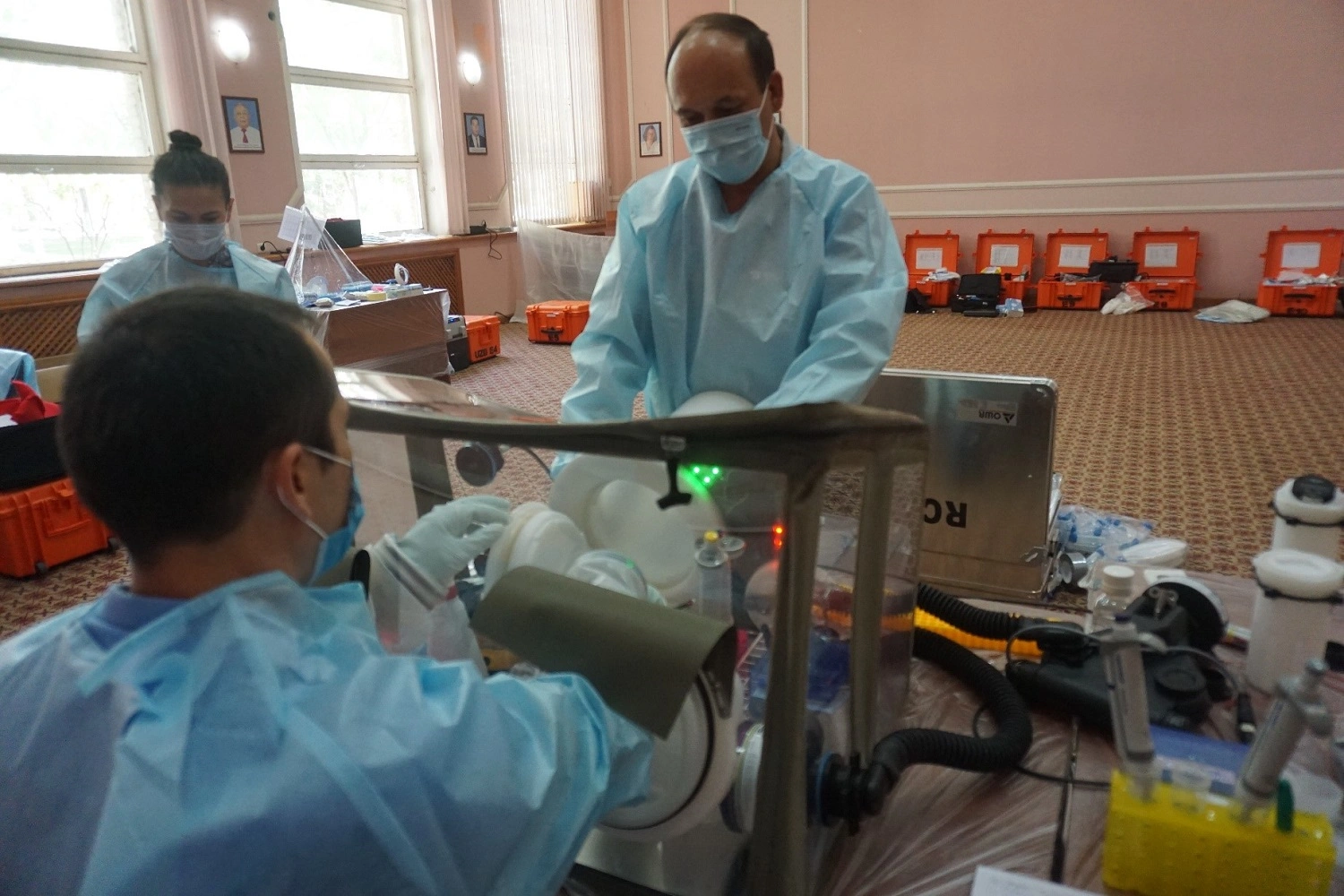
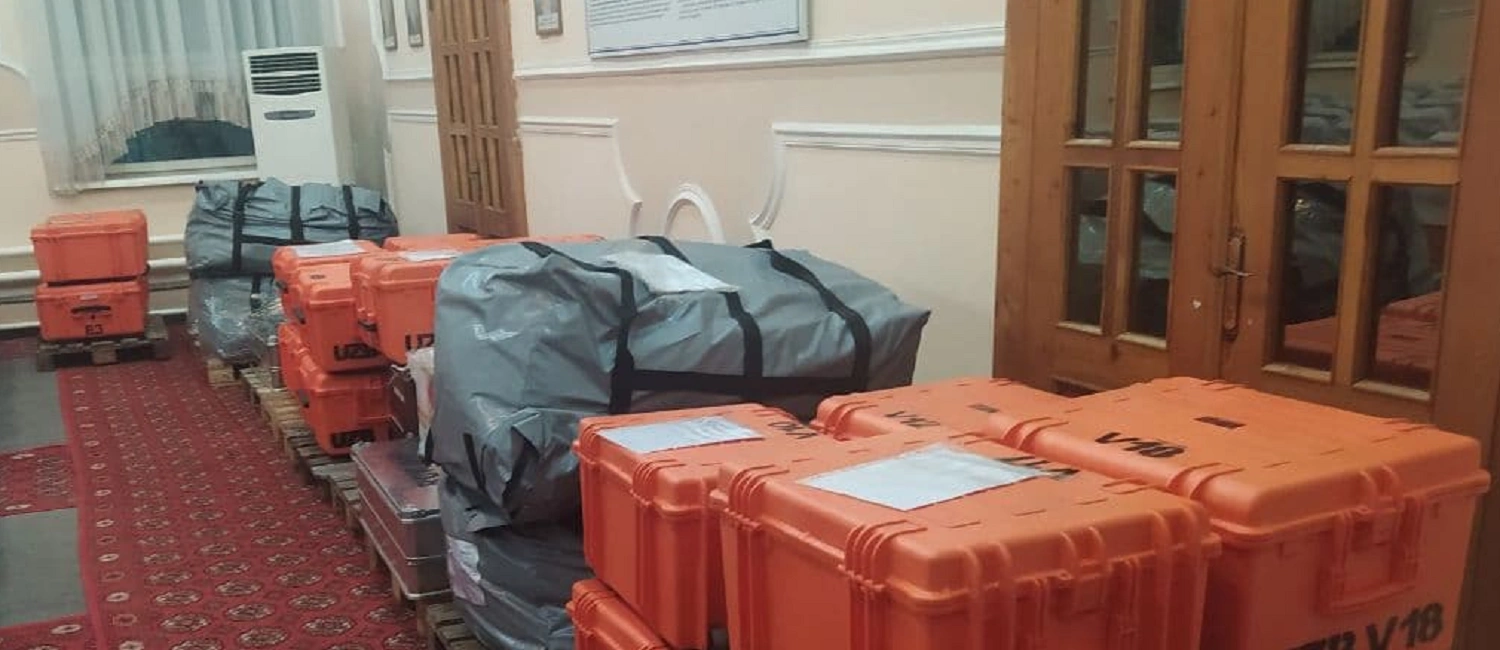
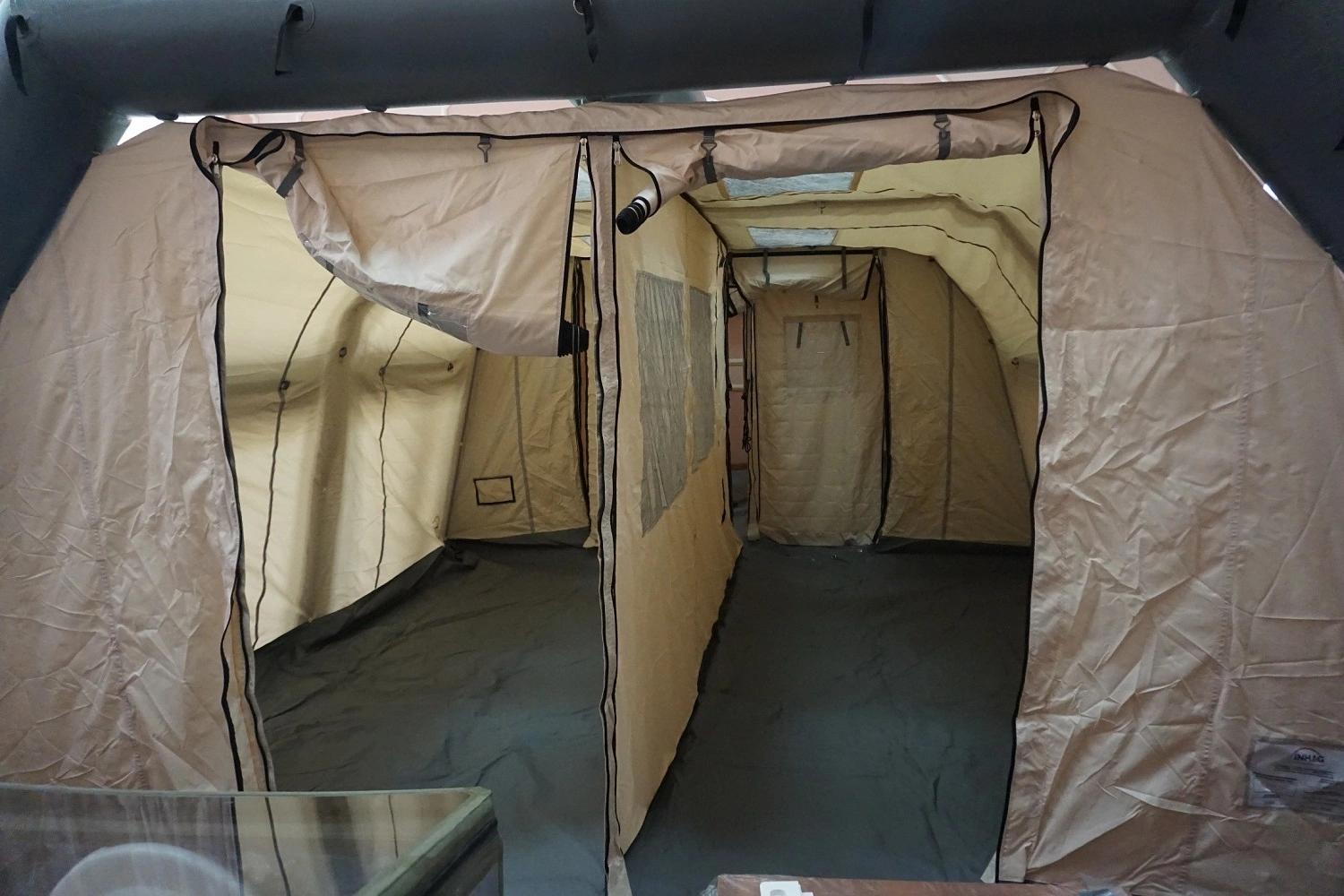
Within the framework of Project R-53 “Strengthening the national legal framework and conducting specialized training on biological protection and safety in the countries of Central Asia” The Bundeswehr Institute of Microbiology (Germany) has provided a mobile laboratory to raise awareness and promote cooperation in biosafety, biosecurity, emergency response and incident management using a mobile laboratory.
Mirkasimova Kholida Khafizovna
Head of the Laboratory of New and Re-emerging Viral Infections
1980-1982 - Research Intern, Department of Hygiene, Tashkent State Medical Institute
1982-1983 - Laboratory Assistant, Tashkent State Medical Institute
1983-1986 - Senior Laboratory Assistant, Institute of Virological Diagnostics of Hepatitis, Research Institute of Virology
1986-2000 - Junior Researcher, Laboratory of Virological Diagnostics of Hepatitis, Research Institute of Virology
2000-2007 - Senior Researcher, Laboratory of Virological Diagnostics of Hepatitis, Research Institute of Virology
2007-2015 - Doctor of Virological Sciences, Laboratory of Particularly Dangerous Viral Infections, Research Institute of Virology
2016-2016 - temporary head of the laboratory of especially dangerous viral infections of the Research Institute of Virology.
2016-2021 - head of the virology department of the laboratory of especially dangerous viral infections of the Research Institute of Virology
- present - head of the laboratory of respiratory new and recurrent viral infections of the Research Institute of Virology of the Republican Specialized Center for Epidemiology, Microbiology, Infectious and Parasitic Diseases
2018- present - head of the outpatient diagnostic and hepatological center of the Research Institute of Virology